Expert Guide to Stretch Wrapper Repair: Techniques for Superior Performance and Long-Term Reliability
Stretch wrapper maintenance is fundamental for assuring their superior operation and long-term reliability. Regular inspections can detect typical problems before they develop into major complications. Staff members possessing essential problem-solving abilities can handle minor issues competently. Nonetheless, recognizing when to obtain specialist support is similarly essential. Grasping these components can aid in securing financial commitments and boosting output. What are the key practices that can make a substantial difference in the lifespan of such equipment?
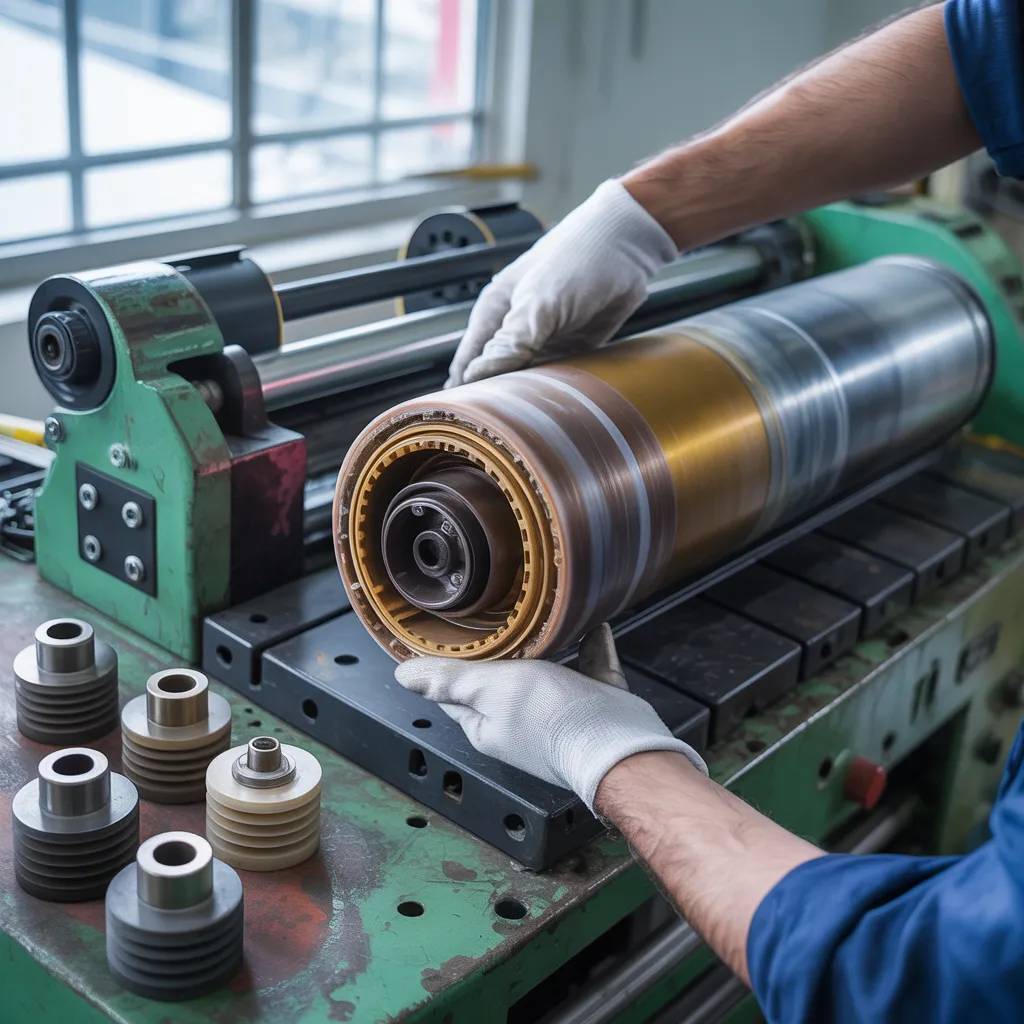
Importance of Routine Service
Routine maintenance of stretch wrappers is essential for maintaining operational efficiency and longevity. Regular upkeep not only sustains the machine's performance but also lessens the risk of unexpected breakdowns that can result in costly downtime. By following a structured maintenance schedule, operators can discover worn components and replace them before they create more serious issues.
Furthermore, scheduled maintenance encompasses cleaning and calibrating the equipment, which promotes consistent wrap quality and decreases material waste. This strategic approach guarantees that the stretch wrapper performs at top levels, enhancing productivity and cutting operational costs.
Additionally, preserving a well-functioning stretch wrapper can extend its lifespan, protecting the investment made in the equipment. Finally, making a priority of routine maintenance facilitates a smooth workflow and promotes a safer working environment for all personnel engaged in the packaging process.
Recognizing Standard Challenges
Routine maintenance establishes the foundation for swiftly recognizing common issues that can arise with stretch wrappers. Operators should be attentive to signs of wear and malfunction. Common issues may include inconsistent wrapping tension, which can create load instability, or film roll misalignment, producing uneven application. Additionally, a stretch wrapper may show unusual noises during operation, pointing to potential mechanical problems such as bearing start here wear or motors in distress. Regular film tearing can also point to issues with the film distribution system or the tension settings. Watching for these indicators can help stop more serious malfunctions. Regular inspections and timely reporting of anomalies confirm that minor issues are dealt with before they escalate, supporting the machine's longevity and efficiency. By identifying these common problems early, operators can sustain maximum efficiency and reduce downtime in their wrapping operations.
Comprehensive Step-by-Step Troubleshooting Walkthrough
When problems occur with stretch wrappers for operators, a systematic troubleshooting guide can provide a structured method to resolving problems efficiently. The initial step involves pinpointing the particular problem, such as inconsistent wrapping or film breakage. Operators should watch the machine during operation to collect relevant information.
Following this, they should check the machine's manual for troubleshooting suggestions related to the identified problem. This may include verifying proper film tension, confirming alignment, and inspecting the film supply.
Upon confirming the settings, operators ought to check the mechanical components, like the rollers and motors, for wear or damage.
If the trouble remains, operators can reset the machine to original settings, which may resolve system issues.
In conclusion, logging the troubleshooting process and findings can help in future maintenance endeavors and prevent recurring difficulties. This structured approach delivers effective troubleshooting, boosting the stretch wrapper's efficiency and durability.
Key Tools for Repairs
In addressing stretch wrapper repairs, possessing the right tools is critical for efficient and effective maintenance. Essential items include basic hand tools for mechanical adjustments, electrical testing equipment for identifying problems, and a fully-stocked inventory of replacement parts. These tools together guarantee that technicians can promptly resolve any problems that occur.
Essential Hand Tools
A range of basic hand tools are vital for effective stretch wrapper repairs. These tools help technicians to carry out maintenance tasks proficiently, ensuring maximum performance. Typically employed hand tools include screwdrivers, pliers, wrenches, and hammers. Screwdrivers, both flathead and Phillips, enable the removal and installation of screws, while pliers are useful for gripping and bending components. Wrenches, available in different sizes, are required for loosening and tightening nuts and bolts. Hammers help with driving or removing parts when needed. Moreover, utility knives aid in cutting stretch film or other materials. Having these basic hand tools readily available improves the repair process and supports the longevity of the stretch wrapper, avoiding costly downtime and ensuring efficient operations.
Electrical Testing Equipment
Although many repairs can be performed with basic hand tools, the utilization of electrical testing equipment is critical for troubleshooting and addressing issues within stretch wrappers. This equipment includes multimeters, which determine voltage, current, and resistance, allowing technicians detect electrical faults. Clamp meters are also important, enabling non-intrusive current measurement in live circuits. Insulation resistance testers can validate that wiring is reliable and functioning as intended. In addition, oscilloscopes may be applied to examine waveform signals, revealing problems in the control systems. Leveraging this specialized equipment not only promotes accurate troubleshooting but also improves the overall efficiency of repair processes, guaranteeing that stretch wrappers function at peak performance levels while increasing their longevity.
Replacement Components Inventory
Maintaining an adequate inventory of replacement parts is vital for optimal stretch wrapper repairs. A properly maintained inventory minimizes downtime by ensuring that technicians have immediate access to required components, such as rollers, belts, and control boards. Regular assessments of the inventory can help determine frequently replaced items, enabling for proactive restocking. It is important to categorize parts based on their usage frequency and importance to operations. Furthermore, establishing relationships with trustworthy suppliers guarantees timely procurement of parts when needed. This strategic approach not only enhances repair efficiency but also leads to the overall longevity of the stretch wrappers. Investing in a complete replacement parts inventory ultimately supports optimal performance and minimizes the likelihood of unexpected failures.
When You Should Contact a Professional
Understanding when to request professional support for stretch wrapper repairs is vital. Symptoms of significant damage or complex repair problems often indicate that specialized skills is needed. Handling these problems promptly can stop further complications and ensure the equipment operates effectively.
Evidence of Significant Damage
Recognizing symptoms of major damage in a stretch wrapper is vital for guaranteeing operational efficiency and safety. Operators should be vigilant for unusual noises, such as grinding or clanking, which may suggest internal component failure. Visible cracks or deformation in the frame can weaken structural integrity and signal the need for immediate attention. Additionally, inconsistent wrapping quality, such as loose or uneven film application, may suggest underlying mechanical issues. If the machine regularly malfunctions or requires repeated adjustments, these could also be signs of serious problems. In such cases, it is prudent to consult a professional technician to assess the extent of the damage and provide proper repairs, guaranteeing the stretch wrapper operates at peak performance levels.
Complex Repair Issues
Should a stretch wrapper experience complex issues that prove difficult to resolve through conventional servicing or basic corrections, it is crucial to request professional assistance. Symptoms of such challenges include ongoing error codes, unusual mechanical noises, or failure to complete cycles. These malfunctions often result from sophisticated components such as the control system, motors, or drive mechanisms. Endeavoring to diagnose or repair these issues without sufficient expertise can compound the situation, possibly resulting in further damage and costly repairs. Professionals have the specialized knowledge and tools required to identify and rectify these complex problems competently. Utilizing a qualified technician not only guarantees the stretch wrapper is returned to maximum efficiency but also increases its operational lifespan, securing the investment made in the equipment.
Tips for Extending Equipment Lifespan
Although regular maintenance is crucial for any stretch wrapper, implementing strategic practices can greatly extend the equipment's lifespan. Initially, operators should ensure that the equipment is used within its specified limits, avoiding overloading that can result in premature wear. Routinely inspecting components for signs of wear or damage allows for timely repairs, avoiding more extensive issues. Moreover, maintaining a clean operating environment aids in reduce debris accumulation, which can obstruct moving parts.
Regular calibration of the stretch wrapper must be conducted to achieve top-level performance, thus reducing needless wear on the apparatus. Using superior stretch film that adheres to the equipment specifications can also lessen stress on the equipment. Moreover, instructing personnel on appropriate operation techniques is critical, as inadequate use can substantially shorten equipment longevity. By implementing these practices, organizations can boost the efficiency and endurance of their stretch wrappers, eventually resulting in cost savings and better productivity.
Frequently Asked Questions
How Often Do I Need to Replace Stretch Wrap Film?
Replace stretch wrap film when you notice wear indicators like tears or diminished elasticity. Regular inspections guarantee peak performance, with changes generally suggested every two to four weeks based on how intensively it's used.
Do Environmental Factors Alter Stretch Wrapper Functionality?
Absolutely, environmental elements including temperature, humidity, and dust can substantially influence stretch wrapper performance. Extreme conditions may lead to film adhesion issues, irregular wrapping quality, and increased wear on the machine, requiring thorough monitoring.
What Safety Measures Should I Follow During Repairs?
Throughout repair work, it is vital to wear correct personal protective equipment, ensure the machine is powered off, follow lockout/tagout guidelines, keep tools properly arranged, and maintain a clean workspace to avert accidents and injuries.
Which Brands Are Recognized for Their Reliability?
A number of brands are known for their reliability, including Lantech, Signode, and Aetna. These manufacturers routinely receive excellent feedback for their robust construction, performance, and customer support, making them favored choices among users in the industry.
How Should I Store My Stretch Wrapper Correctly?
When storing a stretch wrapper, verify it is cleaned, dried, and covered. Place it in a temperature-controlled space, away from UV rays and humidity, stopping oxidation and breakdown of components for peak performance.